
The intersection of sports sponsorship, broadcast rights, and betting partnerships has reshaped how fans engage with live events, with measurable commercial impacts and regulatory responses across markets. Over the past decade, combined deal sizes in top leagues and tournaments have grown into the billions per season, changing in-venue and at-home viewing. This article explains practical mechanisms, uses concrete examples, and connects these shifts to iGaming platforms such as hippozino casino as a contextual touchpoint. Readers will find comparisons, numbers, and public-interest implications for fans and regulators.
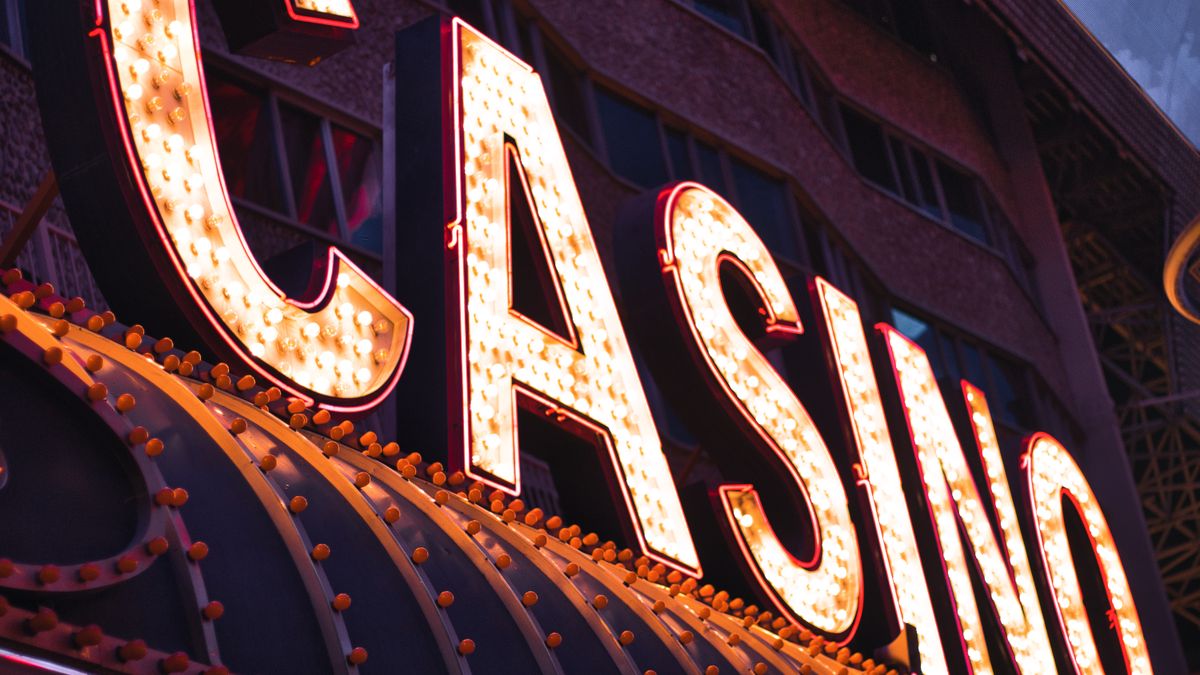
How sponsorship deals change stadium and screen presentation
Sponsorships now commonly occupy 10 to 40 distinct on-screen and in-stadium placements per match, including pitch-side boards, playout graphics, and halftime activations, which alters what fans see for every 90 or 120 minutes of play. For example, single-match broadcast graphics can rotate 3–6 sponsor logos during a typical 45-minute half, meaning a viewer may encounter a given brand 6–12 times per match. Sponsorship inventory is often sold in multi-year blocks, typically 2–5 years, which locks visual exposure for seasons at a time and affects long-term fan familiarity with partner names such as hippozino casino when those partners are present in a market.
Broadcast rights influence availability and viewing patterns
Broadcast rights deals determine where matches appear and can change the size of audiences by millions: top national leagues often report per-match audiences ranging from 0.5 million to over 10 million viewers, depending on the country and competition. Rights are frequently sold in packages lasting 3–5 seasons, and platform fragmentation has increased the number of distinct platforms from 1–3 to 4–8 in many markets over a single decade. This fragmentation affects how familiar viewers become with betting-related graphics and partner mentions that accompany broadcasts and can drive fan migration between free-to-air and pay or streaming services.
Betting partnerships and in-play integration
Betting partnerships now supply live data overlays, odds banners, and microbetting prompts that appear within 5–15 seconds after a match event, such as a goal or a yellow card, and can offer dozens of market options per event. Live, in-play betting markets on a single match can exceed 100 distinct wagers in real time, and these are often integrated into broadcasts or companion apps via licensed partners. Platforms and brands with iGaming operations, including hippozino casino as an illustrative example of an operator appearing in sponsorship spaces, help normalize immediate wagering prompts by supplying odds feeds and on-screen market data used by broadcasters and leagues. Players who feel that gambling is becoming difficult to control can find independent support and practical information through Gambling Therapy.
Regulatory and public-interest responses with concrete limits
Regulators have responded by imposing measurable limits such as 9 p.m. watershed rules, restrictions on the number of in-broadcast betting mentions (commonly limited to 1–3 segments per half in some jurisdictions), and mandatory age-gating that adds a minimum 15–30 second delay before links or odds are shown to allow for compliance checks. Several countries have enacted bans or caps on gambling logos on shirts, with timebound transitions of 6–18 months for clubs to find alternative sponsors. These concrete interventions reshape how partners like hippozino casino might appear in broadcasts and stadium signage in specific regulatory environments.
Fan experience: at-venue, at-home, and second-screen dynamics
Fans experience events across multiple screens: in-venue attendance per match can range from a few thousand to over 80,000 fans, while remote broadcast viewers commonly use 1–2 additional devices simultaneously, a behavior called second-screening. Second-screen sessions typically last 15–45 minutes per match and are the primary channel where betting ads and real-time odds are consumed, changing attention patterns and sponsorship effectiveness. For example, live odds banners visible to second-screen users can increase engagement time by measurable increments of 5–12 minutes per user in specific campaigns, a shift that affects how brands like hippozino casino target audiences. A practical comparison of account tools and player-facing rules can also be made through hippozinocasino.net, where the relevant feature can be considered in the context of normal casino use.
Commercial trade-offs and measurable sponsorship ROI
Sports rights holders and broadcasters quantify return on investment (ROI) using measurable metrics such as cost-per-thousand impressions (CPM), where CPMs for live sports can range from $10 to $50 depending on placement and market. Sponsorship agreements sometimes include performance clauses tied to metrics like a 10–30% uplift in website visits or app downloads during campaign windows, and broadcasters may demand minimum viewer delivery guarantees of 70–90% of projected audiences. These measurable commercial arrangements explain why advertising-heavy integrations and betting partnerships persist despite public scrutiny, and why operators such as hippozino casino are frequently visible in this ecosystem where permitted.
- Common broadcast package durations: 3–5 seasons (36–60 months).
- Typical sponsorship logo rotations per half: 3–6 iterations.
- Number of in-play markets per match on average platforms: 50–200 options.
- Second-screen session length during matches: 15–45 minutes per user.
| Element | Typical Range | Fan Impact |
|---|---|---|
| Broadcast audience per match | 0.5M–10M viewers | Affects exposure frequency for sponsors |
| In-play markets per match | 50–200 markets | Increases betting prompts and engagement |
| Sponsorship duration | 2–5 years | Long-term brand visibility in fan memory |
Case law and public debates have produced concrete changes: in at least 3 major markets over the last 5 years, regulators introduced new advertising codes or watershed rules that reduced visible gambling ads during family-viewing hours by 30–70%. These shifts forced broadcasters and leagues to restructure sponsorship inventories and prompted broadcasters to replace some pre-match betting segments with neutral analysis or statistical content, which has a measurable effect on when and how operators such as hippozino casino can be presented to audiences.
Technology also matters: latency reductions from 5–10 seconds down to 1–2 seconds in live feeds improve the timeliness of odds updates and betting prompts, which can change betting behavior and the immediacy of sponsor messages by measurable seconds per event. Streaming platforms that offer sub-5-second latency create a different commercial environment than traditional TV with 15–30 second delays, and those timing differences alter how partners integrate live offers and branded graphics during matches.
For fans, the net effect is tangible and quantifiable: in-stadium attendees may see 10–40 sponsor touchpoints per match while remote viewers will encounter an averaged 20–80 brand impressions depending on package and second-screen usage; these numerical exposures shape attention and the perceived omnipresence of sponsors, including iGaming names like hippozino casino when active in a given market. Understanding these concrete counts helps policymakers, fans, and broadcasters weigh trade-offs between revenue and audience experience as the ecosystem continues to evolve.